
Puzzles
Puzzles games involve players solving problems through logical reasoning and pattern recognition within various environments. Typical controls include selecting, matching, or rearranging elements to progress or complete objectives.
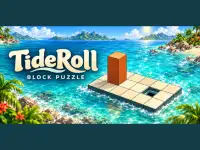
These games emphasize mental challenge and strategic planning, making brain game a fitting keyword. The player interacts with obstacles and mechanics designed to test their cognitive abilities and problem-solving skills.
Entry Guide: Puzzles games
Players must manipulate objects or match patterns to achieve goals efficiently; understanding the core mechanics of puzzle games enhances success.
System Mechanics
Most puzzles games rely on matching, placing, or connecting elements to clear obstacles and progress. Standard mechanics include pattern recognition and logical sequencing, which are essential for solving challenges. The game environments often feature grids or pathways that require precise placement or activation. Logic game mechanics promote strategic thinking and problem-solving skills, while matching game elements serve as primary interaction points for players.
Optimization Rules
Maintain focus on the placement and matching actions during gameplay to optimize problem-solving efficiency. Use strategic thinking to choose the best options for each move. Concentrate on how elements interact and plan moves ahead to minimize unnecessary actions. Properly managing these mechanics ensures effective progression through the puzzles.
Core Inquiries
Q: How do players interact with puzzles? A: By matching, placing, or rearranging elements.
Q: Controls, Q: What is the primary objective? A: Complete puzzles by solving challenges.
Q: , Q: What is a key feature of puzzles games? A: Logical problem-solving mechanics.